
Cultural perspectives on gambling How beliefs shape behavior in various societies
The Role of Tradition in Gambling
Across different cultures, traditional beliefs play a significant role in shaping attitudes toward gambling. In some societies, gambling is viewed as a form of entertainment, while in others, it is tightly linked to rituals and customs. For instance, in certain Indigenous communities, gambling activities are often integrated into social gatherings, celebrating cultural heritage and fostering community bonds. If you’re looking for a new experience, check out https://woocasinos-au.com/ for exciting options.
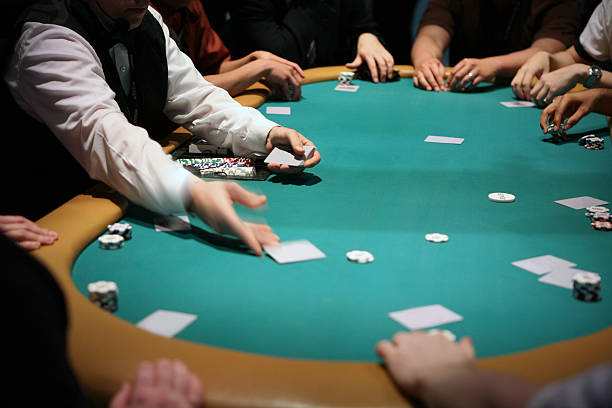
Conversely, in cultures where gambling is perceived as a vice, traditional beliefs may lead to stigmatization and negative consequences. These societies often view gambling as a threat to family values and moral integrity, reinforcing a narrative that discourages participation. Understanding these cultural nuances can provide insight into the varied behaviors exhibited toward gambling.
The Influence of Religion on Gambling Behavior
Religion plays a critical role in shaping societal views on gambling. In many cultures, religious doctrines either explicitly prohibit gambling or frame it as morally questionable. For example, certain interpretations of Christianity and Islam view gambling as a sinful activity that can lead to addiction and economic hardship. This perspective significantly influences believers’ behaviors, often leading to a collective aversion to gambling activities.
On the other hand, some religious communities may adopt a more permissive stance, allowing forms of gambling that are seen as socially acceptable or harmless. These divergent views demonstrate how religious teachings can either constrain or liberate individuals when it comes to gambling, affecting participation rates and the types of games played.
Cultural Attitudes Towards Risk and Reward
Cultural perspectives on risk significantly affect gambling behavior. In cultures that embrace risk-taking as a valuable trait, gambling might be seen as an exciting venture. For example, in Western societies, where individualism is celebrated, gambling can be viewed as a personal challenge or a test of luck and skill, often celebrated during social events.
In contrast, societies that emphasize caution and collectivism may view gambling as reckless. In these cultures, the focus on communal well-being can lead to a consensus that discourages risky behavior, including gambling. The varying attitudes toward risk underscore how deeply ingrained cultural beliefs can dictate individual choices and societal norms surrounding gambling.
Gambling and Economic Factors
The economic landscape of a society can also shape gambling behaviors and beliefs. In economically prosperous regions, gambling may be integrated into leisure activities, supported by robust entertainment industries. Such environments often foster a more positive attitude toward gambling, viewing it as a legitimate form of recreation that contributes to local economies.

Exploring Online Gambling and Cultural Interaction
The rise of online gambling platforms has further complicated cultural perspectives on gambling. Websites tailored to specific cultural demographics enable people to engage with gambling in ways that align with their beliefs and values. For instance, online casinos might offer games that reflect cultural themes, fostering a sense of belonging while appealing to diverse audiences.
Furthermore, as globalization increases interaction among cultures, traditional beliefs about gambling may evolve. Online platforms can challenge preconceived notions, allowing individuals to explore gambling in a new light. This shift highlights the dynamic nature of cultural beliefs and how they adapt in an increasingly interconnected world, creating new dialogues about gambling practices.
“`